Chopping Wood
Vocabulary
| chop | rest (2) | sell/sold/sold |
| pile | weight | stand/stood/stood |
| wood | break (2) | fall/fell/fallen |
| log (3) | keep (2) | resume (2) |
| own | too many | thing (2) |
| notice | slightly | high/higher/highest |
| even | anymore | overtake |
| really | too much | more or less |
| rub | strong | for a while |
| gee | amount | trunk (3) |
| blade | shoulder | sandstone |
| axe | shrug | take it (2) |
| while | area (3) |
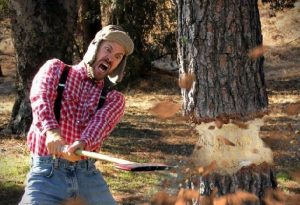
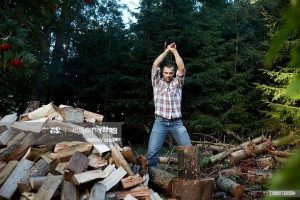
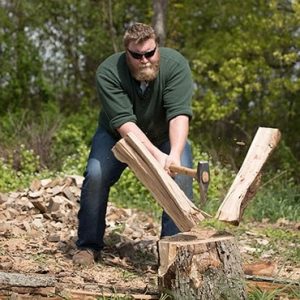
Chopping Wood
In his book Be Great, Peter H. Thomas tells the story of two villagers who decided to chop down some trees and sell the wood in their town market.
One of them, Bartholomew, stood 190 centimeters tall and weighed 96 kilograms. Ian, his friend was 166 cm and 56 kg.
Morning Break
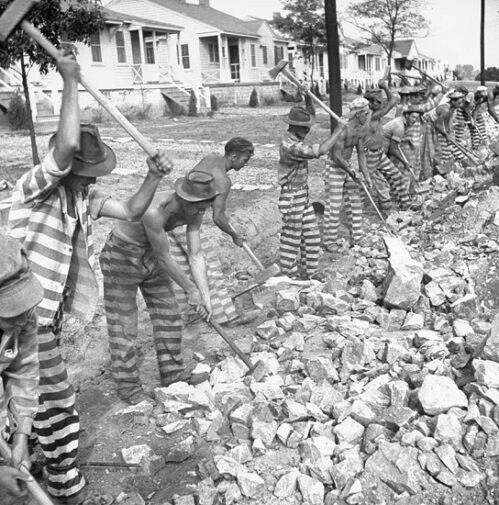
It was mid-autumn. Early in the morning, they went to a area of trees and began chopping them down, and cutting them into logs.
At about 10:15 am, Ian stopped work and took a break. He rested and ate some plums he had brought along with him. However, Bartholomew did not — he kept working.
Lunch
Two-and-a-half hours later, they both stopped for lunch. Bartholomew ate his lunch, two ham and cheese sandwiches, in 20 minutes, rested for another 10, and resumed chopping wood.
Meanwhile, Ian took about 45 minutes to eat his lunch (which consisted of salad, sauerkraut, and peas), then rested for another 30 before returning to his pile of tree trunks.
The Afternoon
In the afternoon break came, the same thing happened as in the morning.
Then at 4:00 pm, Ian left and went home. Bartholomew, however, stayed and worked well into the evening.
The Weeks
The same thing happened the next day . . . and the next. This went on for about two weeks.
By this time, the two villagers had created two piles of logs, with Ian’s being twice as high as Bartholomew’s.
After about three weeks of chopping, Bartholomew noticed that Ian’s pile was three times bigger his own.
At the end of the fourth week, Ian’s was five times bigger than Bartholomew’s.
Why?
This was too much for the Bartholomew; he couldn’t take it any longer.
Then just as Ian was finishing his afternoon break and returning to chopping wood, Bartholomew came up to him and said, “I cannot understand why you have more logs chopped than I do. You are smaller than I am, and not as strong. You work less hours, and take more breaks.”
Shrug
Ian said nothing for a while, then shrugged and replied, “Gee . . . I don’t really know . . .”
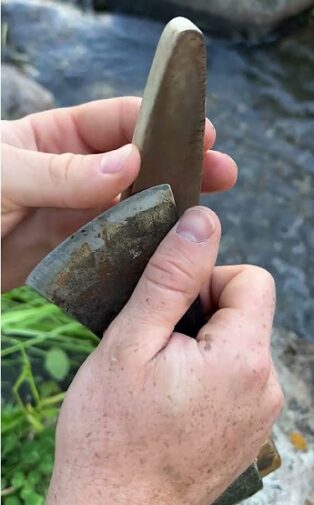
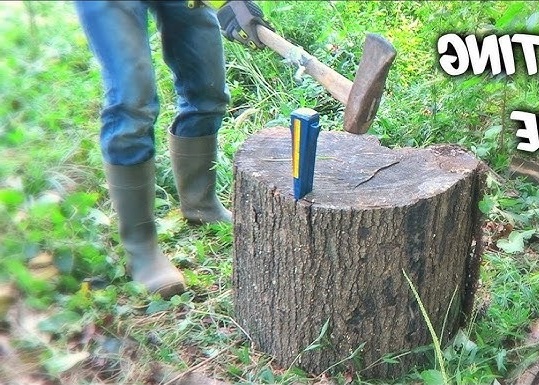
Bartholomew watched as Ian returned to his tree trunks. Then he took a sandstone from his pocket and began rubbing his ax blade with it.
Bartholomew then looked at his seven kilogram wedged-sledgehammer . . .

Questions
Oak. Two men were chopping wood to make firewood for their fireplaces at home. Is this true or false?
Maple. Did they look the same?
Pine. They worked the same amount. Is this correct or incorrect?
Birch. What happened after two weeks? After three and four weeks?
Cherry. Was Bartholomew baffled (confused)? Why was he baffled?
Eucalyptus. Ian told Bartholomew his “secret”. Is this right or wrong?
Palm. Is there a moral or lesson to the story? What is the moral or lesson of the story?
Baobab. I have used an axe; I have chopped and split wood. Yes or no?
Cedar. Can you give examples of this story from school, companies, work, sports or other aspects of life?
Redwood. I know people who are like Bartholomew. Yes or no?
Mangrove. Do you know anyone who is like Ian?
Olive. How can you “sharpen your axe”? How can you become more efficient and productive?
